Industry · Jul 1, 2026
Understanding the Forces Behind Fluctuating Pallet Pricing
Written by TC Pallet
For manufacturers and distributors in Northeast Ohio, the wooden pallet is a basic necessity. It is also a global commodity. Because pallets are constructed primarily from raw timber and held together by steel fasteners, their value is tied directly to the price of raw materials. When the cost of these inputs moves, the price of the finished unit follows. This creates a market where stability is rare and price adjustments are a standard part of doing business.
Operating a facility in places like Akron, Canton, or Cleveland requires an understanding of these market shifts. You are not just buying a wooden platform; you are participating in a complex supply chain influenced by everything from local fuel prices to international trade agreements. Recognizing the factors that drive these changes helps operations managers plan budgets and maintain a steady flow of inventory without sudden financial shocks.
The Direct Impact of Lumber Cost
The most significant variable in the price of a new pallet is the lumber cost. Whether it is hardwood or softwood, timber is traded on a liquid market. Sawmill production levels, weather conditions in logging regions, and competing demand from the housing industry all play a role. When residential construction peaks, the availability of low-grade industrial lumber often tightens, driving prices upward for pallet manufacturers.
Even for those who use recycled pallets, these costs matter. The price of a used 'CORE'—the raw, broken pallet we buy back and repair—is intrinsically linked to the price of a new one. When new pallet prices rise, more companies hold onto their existing stock longer or repair them internally. This reduces the supply of used cores, which in turn raises the price of recycled units. Our team monitors these shifts daily to ensure our recycled inventory remains a cost-effective alternative to buying new.
Global Factors and Trade Policy
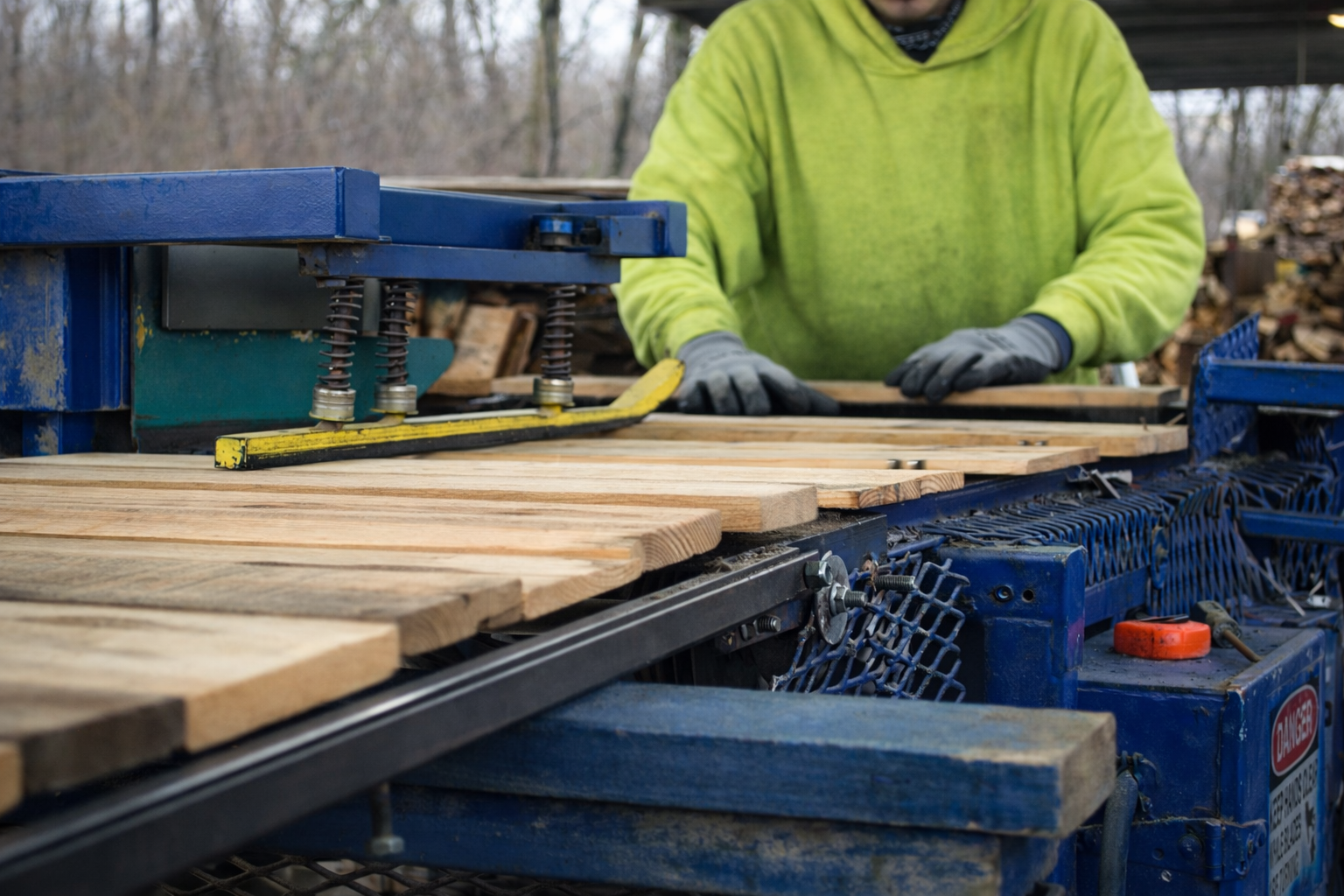
While your facility may be local, the pallet market is affected by market changes throughout the world. Steel used for nails and the fuel for logistics are subject to global supply and demand. Furthermore, tariffs and trade policy can have an immediate impact on the cost of imported materials. If a new tariff is placed on imported steel or specific types of lumber, the cost of manufacturing a single pallet increases by a measurable margin across the entire industry.
- Fuel surcharges related to ocean and over-the-road transport.
- Steel price volatility affecting nail and fastener costs.
- Labor availability at sawmills and recycling centers.
- Changes in export regulations for heat-treated wood.
- The seasonal demand from major retailers during peak shipping months.
Freight Cost and Logistics Logic
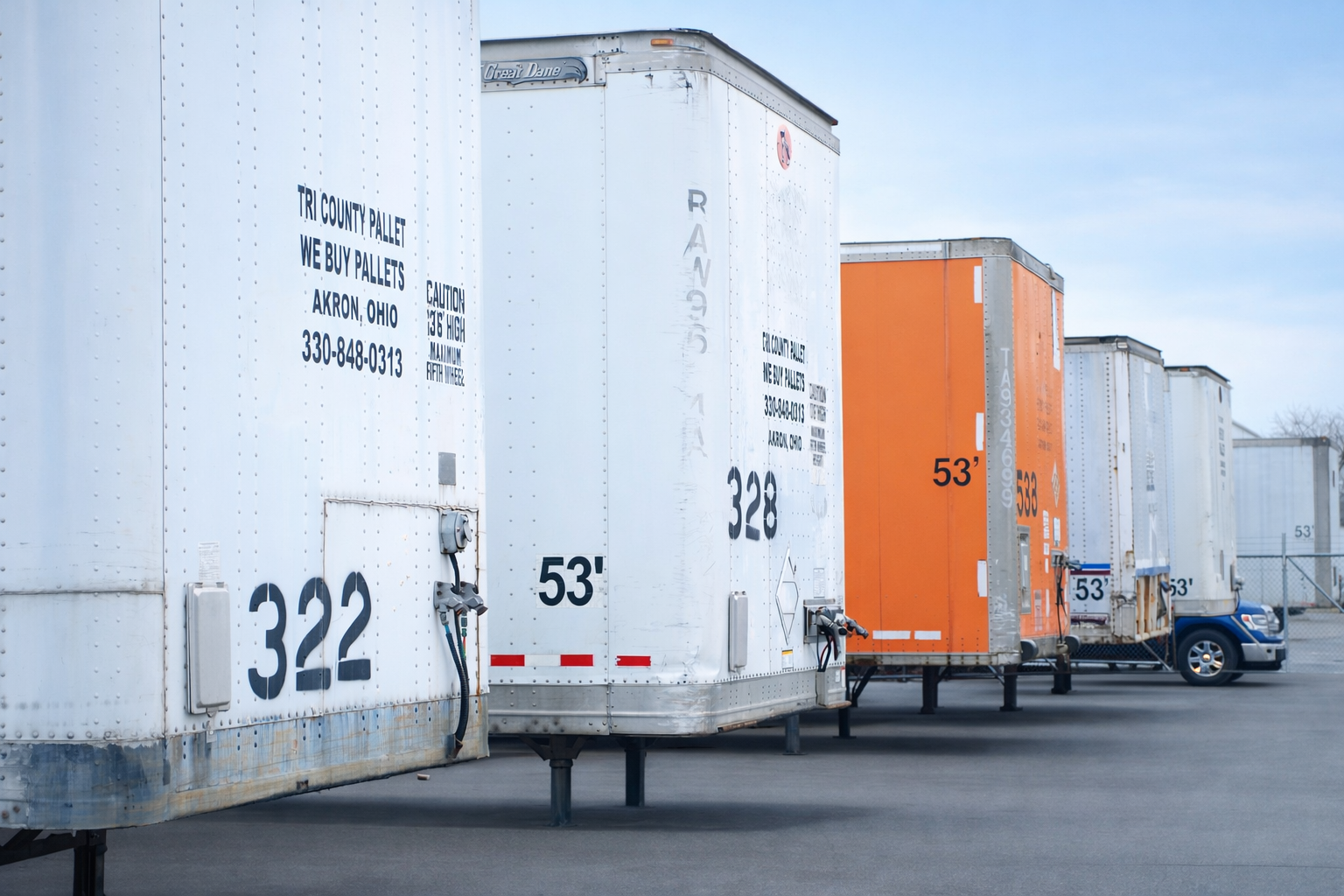
A pallet is a bulky, relatively low-value item. This means that freight cost makes up a high percentage of the total delivered price. As diesel prices fluctuate, the radius in which it is economical to ship pallets expands or contracts. For a manufacturer in Northeast Ohio, sourcing pallets from a local partner like TCP reduces the number of miles a truck has to travel, which helps insulate your bottom line from some of the volatility in the national freight market.
Efficient logistics also involves what happens to the pallet after it reaches its destination. Companies that implement a pallet return or repair program can offset new purchases. By hauling away scrap wood and old pallets for recycling or conversion into ground mulch, we help regional businesses clear floor space while capturing any remaining value in their wood waste. This circular approach is one of the few ways to mitigate rising commodity costs.
Maintaining Available Inventory
In a fluctuating market, the biggest risk is not just the price, but the shortage of units. Available inventory can disappear quickly when a spike in demand hits. We maintain a large stock of common sizes, such as the standard 48x40 GMA pallet, to ensure our customers do not experience downtime. Whether you need a truckload of high-quality new pallets or a budget-friendly batch of repaired 2-way entries, having a reliable source is more important than chasing the lowest possible penny-price from an unproven vendor.
Managing pallet spend requires a long-term view. By understanding that lumber, labor, and logistics are moving targets, you can better prepare for the cycles of the market. Our role is to provide the data and the physical inventory needed to keep your warehouse moving, regardless of the current economic climate. If you have questions about current market trends or need a quote for your facility, contact Tri County Pallet at (330) 848-0313.