Industry · Nov 2, 2026
Navigating the Factors Driving Today’s Pallet Market
Written by TC Pallet
For manufacturers and distributors across Northeast Ohio, the pallet is the foundation of the supply chain. While often treated as a simple commodity, the price and availability of pallets are tied to a complex web of global and regional factors. Understanding these drivers helps operations managers move from reactive purchasing to a more stable, planned strategy.
In recent years, the pallet market has moved away from the extreme volatility seen during global supply chain disruptions, but it has not returned to the old status quo. Costs are now influenced by a combination of fluctuating raw material prices, specialized labor needs, and the rising overhead of moving goods from the saw mill to the warehouse floor.
How Raw Material Costs Dictate Pallet Pricing
The most significant driver of pallet pricing is the cost of lumber. Whether you are buying new units or recycled pallets, the price of timber determines the baseline. New pallets are directly impacted by the price of pallet-grade hardwood and softwood. When the construction or housing sectors see an uptick in activity, competition for low-grade lumber increases, which pushes prices upward for pallet manufacturers.
Recycled pallets are also tied to these trends. When new pallet prices rise, demand for used cores—the damaged pallets we buy and repair—spikes. This high demand makes it more expensive for a pallet supplier to acquire the raw materials needed for a refurbishing program. At Tri County Pallet, we monitor these lumber shifts to ensure our customers are getting a fair market rate based on current timber values.
The Role of Labor and Repair Logistics
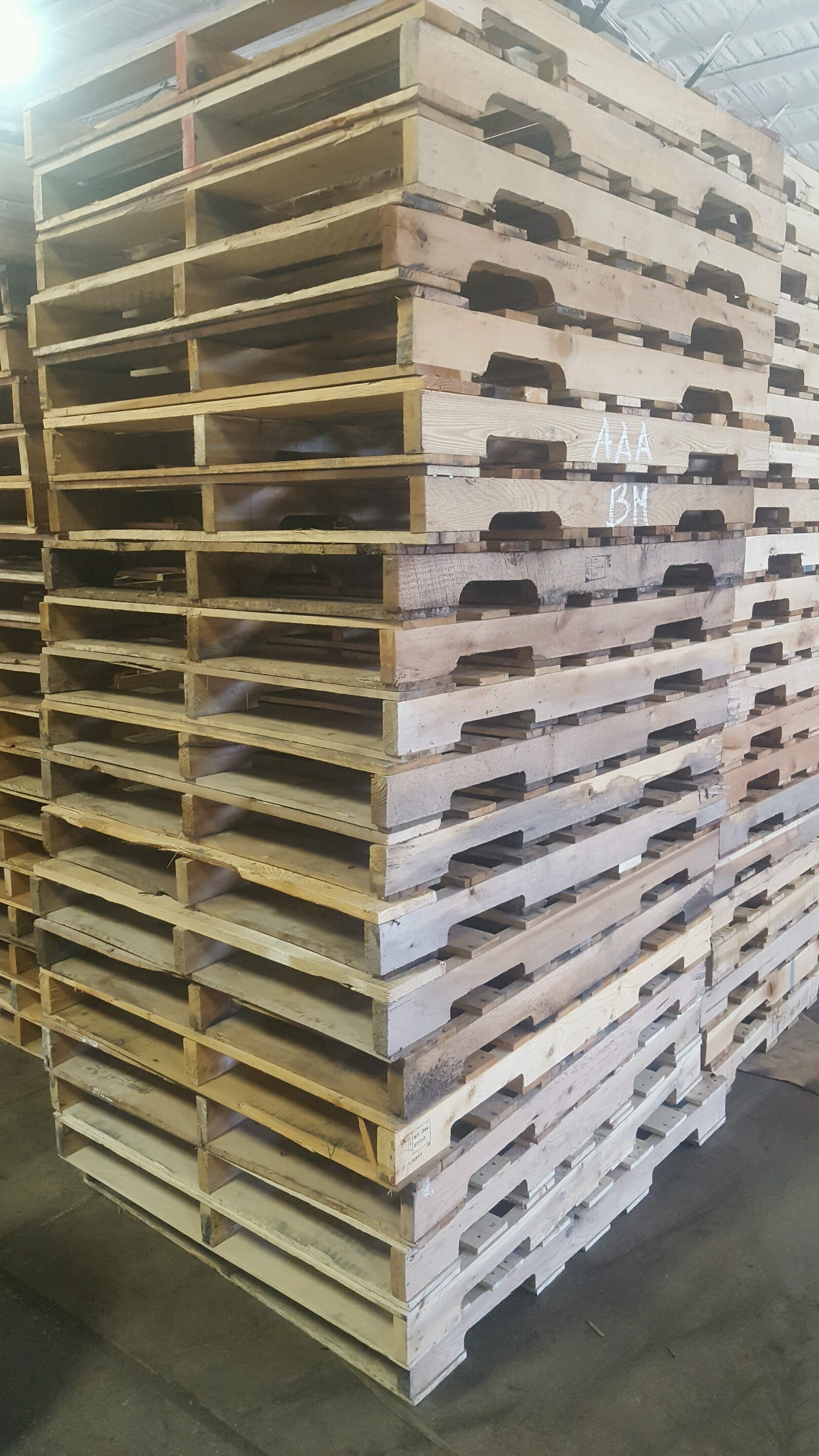
Building and repairing pallets is a labor-intensive process that cannot be fully automated. Every recycled pallet that enters our facility must be hand-inspected by a builder who decides if it needs a replacement lead board, a new stringer, or if it should be dismantled for parts. Rising labor costs across Ohio mean that the overhead required to maintain a consistent stock of Grade A and Grade B pallets has increased.
Quality control is a major part of this labor cost. A well-built wooden pallet typically makes five to seven trips before needing significant repair. To ensure those trips are safe for your products and your forklifts, a supplier must invest in skilled builders who know how to properly sort and fix structural defects. This human element is a permanent fixture in the pricing structure.
Transportation and Geographic Factors
Pallets are heavy, bulky, and take up a significant amount of space on a trailer relative to their value. This makes transportation one of the largest variables in the final cost. For businesses in Akron, Cleveland, or Canton, working with a local Northeast Ohio pallets provider is a strategic advantage. The further a pallet has to travel, the more fuel and freight surcharges will eat into your budget.
- Regional fuel surcharges that fluctuate with diesel prices.
- The availability of dry van trailers for drop-and-hook programs.
- Proximity to major shipping corridors like I-77 and I-76.
- The cost of hauling away scrap wood that cannot be repaired.
- The efficiency of pallet recycling pickup schedules.
Strategic Planning for Pallet Buyers
To mitigate the impact of market trends, operations managers should look at their pallet usage as a cycle rather than a one-way purchase. Implementing a recovery or repair program can significantly lower the total cost of ownership. Instead of buying new units for every shipment, many Northeast Ohio manufacturers utilize a mix of new and recycled options to balance performance and budget.
At Tri County Pallet, we assist our partners by offering comprehensive services that go beyond just selling a product. We provide scrap-wood hauling and pallet recycling pickup to keep docks clear and feed the repair cycle. Wood that has reached the end of its life is processed into ground mulch, ensuring that nothing goes to waste and providing a sustainable outlet for retired materials.
Effective pallet management requires a partner who understands the local market and the specific pressures facing Ohio distributors. If you want to review your current pallet spend or need to discuss a more reliable supply of new or recycled units, contact Tri County Pallet at (330) 848-0313 to speak with our team about your requirements.