Logistics · Sep 14, 2026
Why Your Pallet Supplier Needs Your Production Forecast
Written by TC Pallet
For a logistics manager in Northeast Ohio, a pallet is a tool that is often ignored until it is missing. When production lines are running at capacity and finished goods are stacking up, the last thing your team should be worried about is whether the flatbeds carrying your next load of 48x40s will arrive on time. A shortage of wooden pallets can stall a warehouse faster than a mechanical failure on the line.
Many manufacturers treat pallet procurement as a transactional, just-in-time process. However, the most efficient operations treat their pallet supplier as a strategic partner. Sharing your production forecast—even a rough estimate of upcoming volume—is the most effective way to stabilize your supply chain and eliminate the hidden costs of emergency orders.
Preventing Stockouts and Shipping Delays
A pallet supplier Northeast Ohio businesses rely on needs time to manage their own inventory. When you provide a forecast that shows a 20% increase in production for the next quarter, your supplier can begin accumulating the specific grades you need before the market tightens. This is particularly important for recycled pallets, where supply depends on the flow of incoming cores from various sources.
Without this data, you are susceptible to the fluctuations of the regional market. If three major distributors in Akron all have a peak season at the same time, the available pool of recycled pallets shrinks. A forecast allows your supplier to reserve stock specifically for your facility, ensuring that when your team calls for a drop-and-hook swap, the trailers are ready to go.
How Forecasts Reduce Warehouse Pallet Management Costs
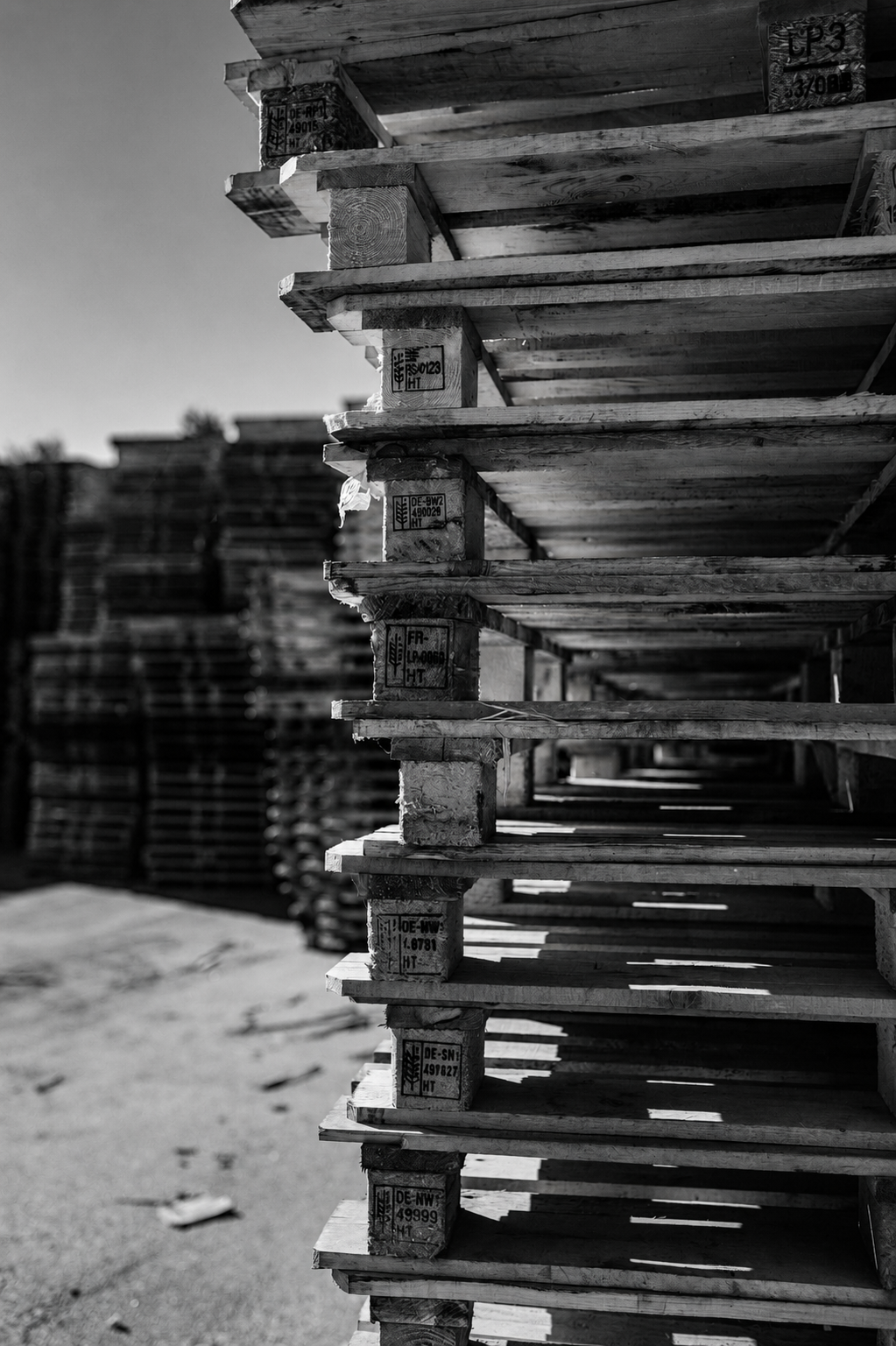
Operating without a forecast often leads to rush orders. Rush orders are expensive, not just in terms of potential price premiums, but in terms of labor and dock efficiency. When a pallet delivery arrives unannounced or at the last minute, it disrupts your receiving schedule and pulls workers away from their primary tasks.
Better pallet supply planning leads to several operational advantages:
- Elimination of LTL shipping costs for emergency pallet replenishments.
- Reduction in yard congestion by scheduling drop-and-hook services during off-peak hours.
- Improved cash flow management by aligning pallet purchases with actual shipping volume.
- Consistent pallet quality, as suppliers have time to sort and repair cores to your specific grade requirements.
- Better utilization of warehouse floor space by avoiding excess safety stock.
Managing Seasonal Spikes and Shipping Changes

Many industries in Northeast Ohio, from food processing to retail distribution, deal with distinct seasonal peaks. If your shipping volume triples in October, your pallet supplier needs to know that in July. This lead time allows for the procurement of raw materials for new pallets or the ramp-up of repair operations to meet the demand.
It is also vital to communicate changes in your shipping destinations. If you are switching from domestic ground transport to international ocean freight, your pallet needs will change immediately. You may require heat-treated (ISPM-15) pallets to meet export regulations. If your supplier is unaware of this change in your production forecast, you risk having goods turned away at the port due to non-compliant wood packaging.
The Role of Pallet Repair and Recycling Programs
Forecasting isn't just about what comes into your building; it is also about what leaves it. If you have a high volume of damaged pallets taking up space on your dock, a recycling pickup schedule based on your production volume keeps your facility clear. A well-built wooden pallet typically makes 5 to 7 trips before it needs significant repair, and knowing your throughput helps a provider like Tri County Pallet manage that lifecycle.
When we know your scrap volume is going to increase, we can increase the frequency of scrap-wood hauling or pallet repair pickups. This prevents wood waste from becoming a fire hazard or a safety obstacle for your forklift drivers. In cases where pallets are beyond repair, they are processed into ground mulch, ensuring that nothing from your production forecast ends up in a landfill.
Building a Reliable Pallet Partnership
The goal of warehouse pallet management is to make the pallet invisible—something that is always there when you need it and never a source of friction. Achieving that requires more than just a vendor; it requires a partner who understands the rhythm of your plant. By sharing your production forecast, you allow your supplier to work ahead of your needs rather than reacting to them.
Tri County Pallet works with manufacturers across Northeast Ohio to develop custom supply and recycling programs that align with specific production schedules. Whether you need new pallets, high-quality recycled units, or a consistent repair program, our team provides the logistical support to keep your products moving. To discuss your upcoming production needs and how we can support your facility, call the TCP team at (330) 848-0313.