Recycling · Aug 24, 2026
Understanding Pallet Buy-Back Pricing and Lumber Market Trends
Written by TC Pallet
For manufacturers and distributors across Northeast Ohio, managing a pallet inventory is a constant balancing act between supply chain necessity and overhead costs. When you participate in a pallet buy-back program, the rebate you receive for your used cores serves as a direct offset to your shipping expenses. However, many procurement officers notice that the credit value for a standard 48x40 GMA pallet often shifts from one quarter to the next. These fluctuations are rarely arbitrary; they are the direct result of broader economic shifts within the timber and industrial wood sectors.
Understanding the mechanics behind these price changes allows you to forecast your logistics budget more accurately. The value of a used pallet is inextricably linked to the cost of the raw materials required to build a new one. When the price of new lumber rises, the demand for quality recycled pallets increases, driving up the value of the cores you generate at your facility. Conversely, when raw lumber prices stabilize or drop, the market for recycled materials follows suit.
The Role of Hardwood and Softwood Indices
Pallet pricing is largely dictated by regional indices that track the cost of industrial-grade lumber. In our region, we monitor these reports closely to ensure our buy-back rates remain fair and competitive. These indices track the cost of hardwood cants and softwood dimensions that mills produce for the shipping industry. Because a pallet is a commodity, its value reacts to the same supply-and-demand pressures as the building materials used in housing or furniture manufacturing.
When timber harvests are slowed by weather conditions or when fuel costs for logging equipment rise, the price per board foot increases. As a result, the pallet core value increases because it becomes more cost-effective for a facility to repair an existing unit than to manufacture a new one from fresh timber. Tri County Pallet tracks these regional trends to provide transparent pricing for the scrap-wood hauling and recycling services we provide to Akron-area businesses.
Factors Influencing Your Pallet Core Value
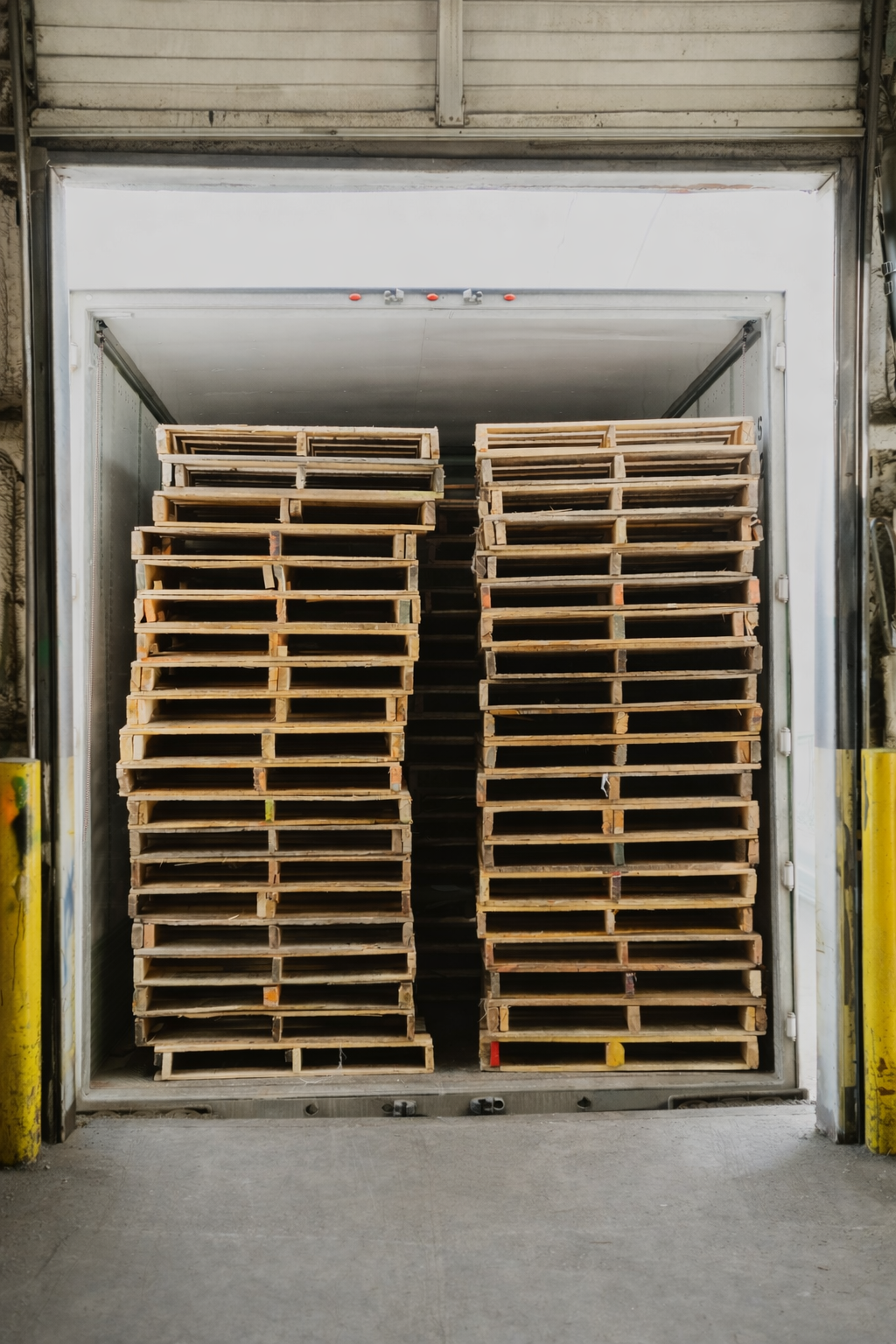
While the lumber market sets the ceiling for pricing, the specific condition and type of pallets in your stacks determine the actual rebate. Not every wooden platform that enters a warehouse is created equal. The market recognizes specific grades, and the closer a core is to its original specification, the higher its value to a recycler.
- Core Grade: Premium A-grade pallets with no previous stringer repairs command the highest prices.
- Repairability: Pallets with broken deck boards or damaged stringers require more labor and material to return to service, which reduces the rebate.
- Consistency: High volumes of standard 48x40 units are easier to process than odd-sized custom pallets.
- Market Demand: Local demand from Northeast Ohio manufacturers for recycled units can drive regional price spikes.
- Scrap Volume: The amount of non-repairable wood that must be hauled away and ground into mulch affects the net value of the load.
The Life Cycle of a Recycled Pallet
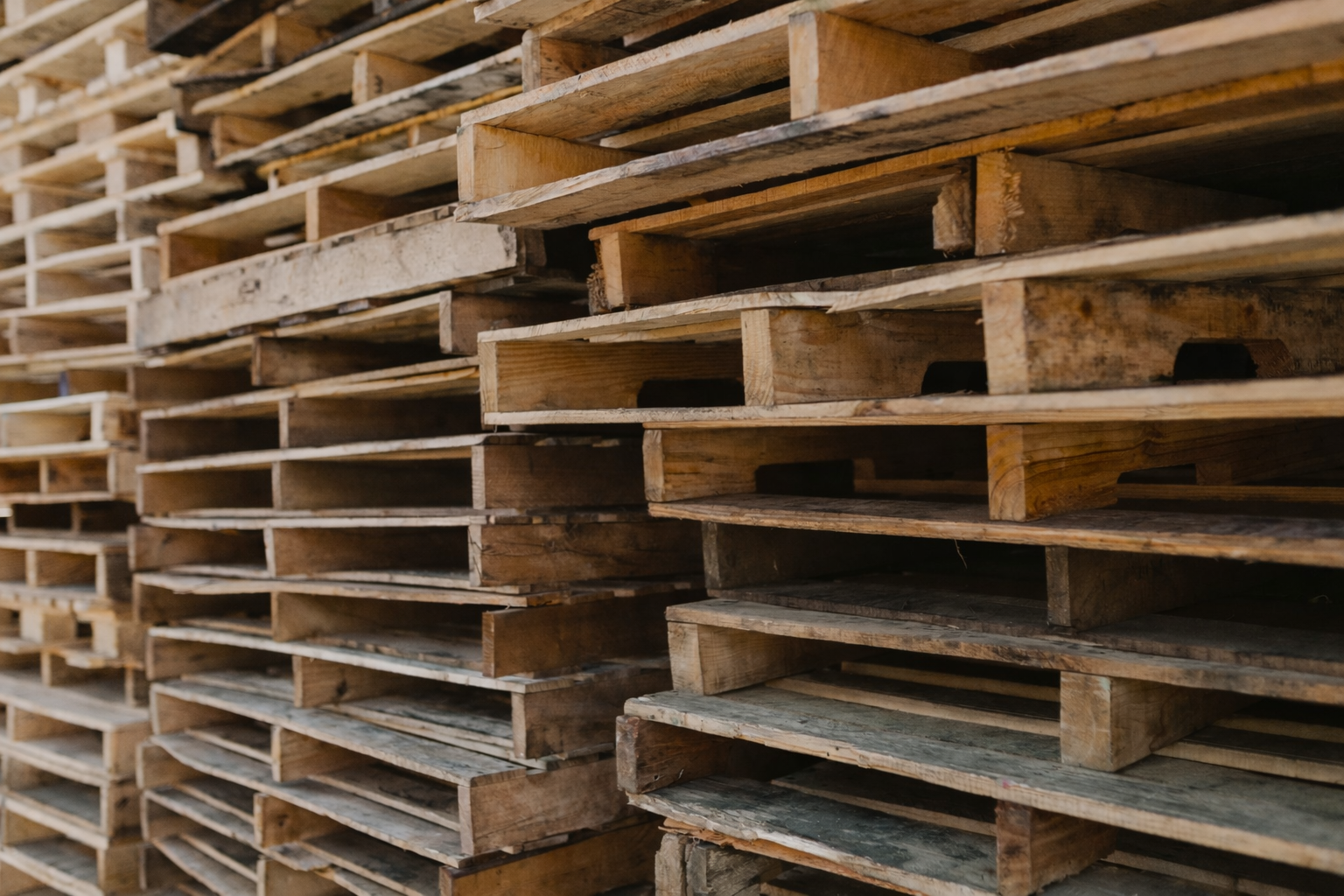
A well-built wooden pallet typically makes five to seven trips through the supply chain before it requires significant repair. During this lifecycle, the pallet moves from a 'new' status to a 'recycled' status. Once a pallet reaches a recycling facility like TCP, it is inspected and sorted. If it can be repaired, it is fixed and sold back into the market. If it is beyond repair, it is sent to our grinding equipment to be converted into ground mulch for landscaping or industrial use.
This circular process is what keeps the pallet industry sustainable. By participating in a buy-back program, you are providing the raw material for the next cycle of shipping. The rebate you receive is essentially the market value of that wood fiber, minus the costs of transportation, inspection, and the labor required to make the unit functional again for the next user.
Why Transparency Matters in Procurement
Procurement managers should look for a pallet partner that provides detailed reporting on the loads picked up from their docks. A transparent program should show you exactly how many Grade A, Grade B, and scrap pallets were processed. When lumber market trends cause a shift in your rebate, your provider should be able to point to the specific market data driving that change. This level of detail helps you justify your shipping costs to upper management and ensures you are receiving the true market value for your waste stream.
At Tri County Pallet, we focus on providing consistent service and fair market pricing for manufacturers and distributors throughout Northeast Ohio. Whether you need new pallets, reliable repair services, or a consistent recycling pickup for your used cores, our team is equipped to handle your volume. For an evaluation of your current pallet buy-back program or to discuss current market trends, call us at (330) 848-0313.