Logistics · Nov 19, 2026
A Warehouse Guide to Maximizing Pallet Buy-Back Rebates
Written by TC Pallet
For many Northeast Ohio manufacturers and distributors, the dock is one of the busiest areas of the facility. Between incoming shipments and outgoing orders, managing the flow of empty wooden pallets often becomes an afterthought. However, treating your accumulated pallets as a simple waste stream rather than a recoverable asset is a missed opportunity for your bottom line. When pallets are tossed into a disorganized heap, it complicates the recovery process and obscures the true value of your inventory.
Implementing a formal pallet sorting protocol allows your team to identify which assets are high-value and which are scrap before the recycling truck arrives. This level of organization directly impacts pallet buy-back rebates. When a pallet recycler like Tri County Pallet arrives to pick up a load, a pre-sorted dock ensures faster loading times and more accurate grading, which ultimately leads to a higher return on your used cores.
The Difference Between Grade A and Grade B Pallets
The core of any successful buy-back program is understanding how pallets are graded. The standard 48x40-inch four-way entry pallet is the industry workhorse, but not all are created equal. A Grade A pallet is a premium core that has had little to no previous repair work. The stringers—the structural boards that support the weight—are intact and have not been reinforced. These command the highest rebate value because they are ready to be sent back into circulation with minimal processing.
Grade B pallets are those that have seen more wear. They often feature 'plugs' or companion stringers, which are additional boards nailed alongside a damaged stringer to restore structural integrity. While these are still functional and valuable, they require more labor to inspect and maintain. If your dock staff mixes these grades together, the vendor must spend additional time sorting them at their facility, which can delay your reporting and impact the processing fees associated with your recycling program.
Training Dock Staff on Pallet Sorting Best Practices
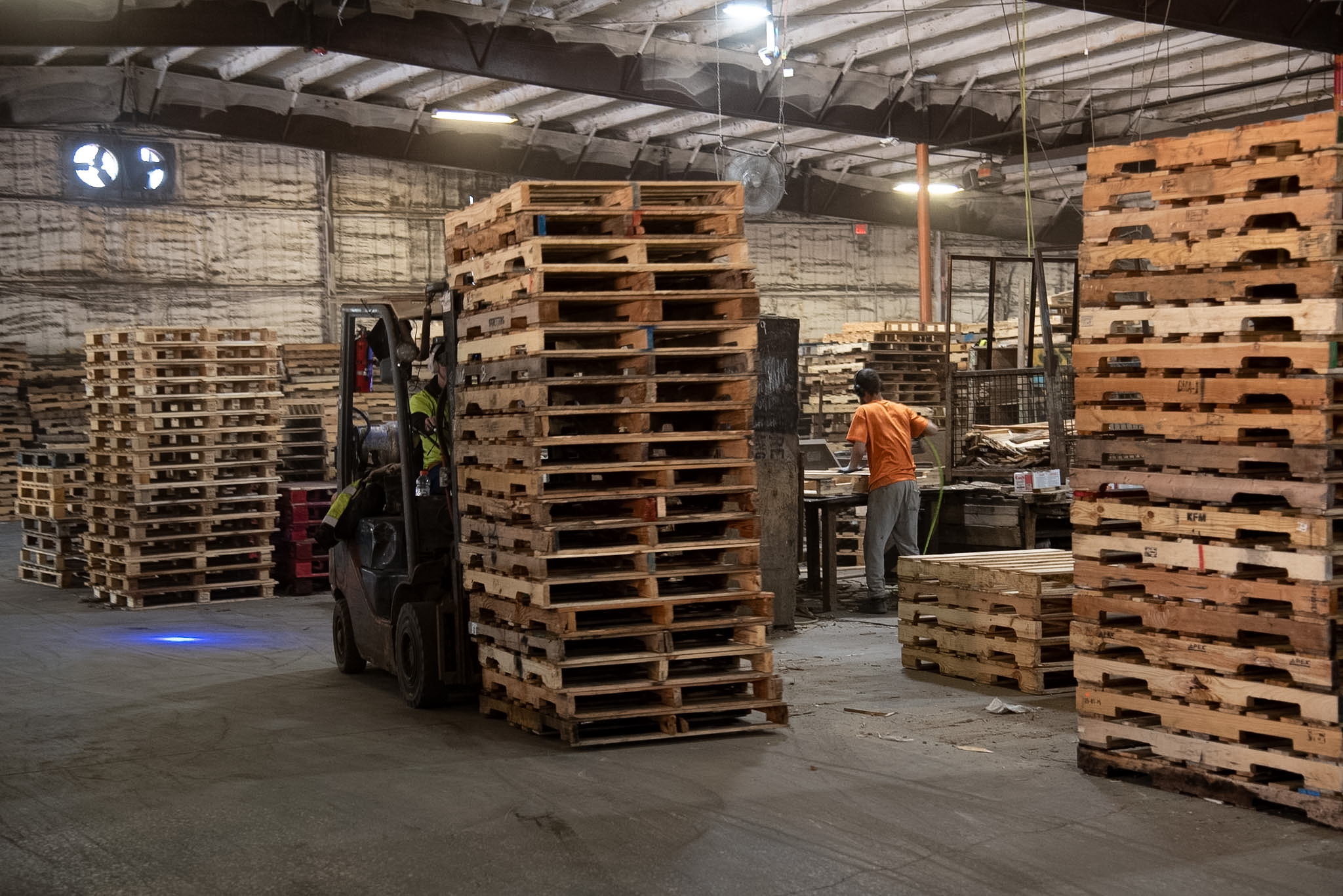
Efficiency in warehouse dock operations starts with clear training. Your team should be able to identify a pallet's grade at a glance as it is pulled from the production line or unloading bay. Instead of one large 'scrap' pile, designate specific floor spots for different categories. This prevents the need for double-handling materials later on.
- Create separate stacks for standard 48x40 Grade A cores to protect their value.
- Designate a specific area for Grade B and damaged pallets that require repair.
- Separate odd-sized or custom pallets from standard cores to avoid confusion during pickup.
- Identify wood waste that is beyond repair for scrap-wood hauling rather than the rebate pile.
- Stack pallets vertically and neatly to 15 or 20 high to ensure safe loading and transport.
Neat stacking is a safety issue as much as a financial one. Lean stacks or mixed-size piles are prone to tipping, which creates a hazard for your forklift operators and our drivers. By maintaining clean, uniform stacks, you reduce the risk of further damaging the boards, ensuring you get the full credit for every repairable pallet in the load.
Managing Odd Sizes and Scrap Material
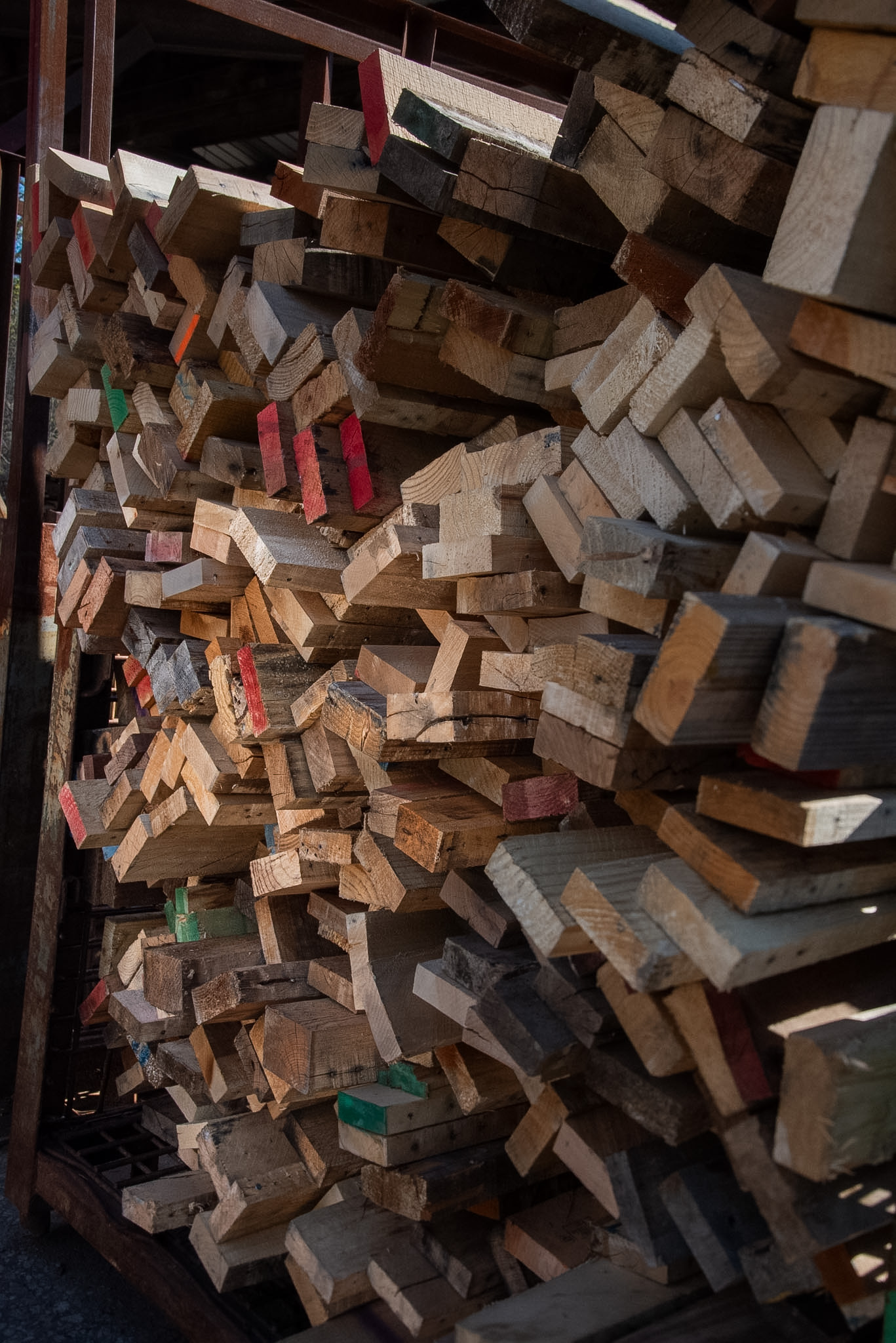
Not every piece of wood that enters your facility fits the standard 48x40 footprint. Custom crates, oversized pallets, and heavy-duty skids are common in Akron pallet recycling circles. While these may not always qualify for a high buy-back rebate, they still need to be managed. Mixing these into your premium stacks makes the entire load look disorganized and slows down the count.
For material that is truly broken—missing multiple deck boards or having shattered stringers—it is best to treat it as scrap-wood hauling inventory. Tri County Pallet can remove this material to be processed into ground mulch. While this material doesn't carry the same rebate value as a Grade A pallet, keeping it out of your premium stacks keeps your high-value inventory clean and easy to verify.
Streamlining the Pickup Process
When a recycling partner knows they are picking up a pre-sorted load, the entire logistics chain moves faster. This consistency allows for better scheduling and more reliable service. For high-volume distributors, this could mean the difference between a cluttered dock and a streamlined workflow that keeps production moving. A disciplined approach to pallet sorting demonstrates that your facility prioritizes operational excellence.
Tri County Pallet works with manufacturers across Northeast Ohio to establish these types of sustainable pallet programs. Whether you need a steady supply of new pallets, recycled Grade A cores, or a reliable recycling pickup service, we provide the expertise to manage your pallet inventory efficiently. To discuss your specific pallet needs or to schedule a dock assessment, call our team at (330) 848-0313.