Logistics · Jul 8, 2026
Understanding ISPM-15 Heat-Treated Pallets for International Shipping
Written by TC Pallet
For manufacturers and distributors in Northeast Ohio, shipping products across national borders involves more than just logistics and customs paperwork. If you are using wood packaging material, you must account for international phytosanitary standards. Failure to use the correct type of pallet can result in your shipment being quarantined, returned at your expense, or even destroyed by customs authorities in the destination country.
The standard governing these shipments is ISPM-15. This regulation was established to prevent the international spread of wood-boring insects and invasive species through timber packaging. While it might seem like just another layer of bureaucracy, compliance is non-negotiable for any business engaged in global trade. Understanding which pallets qualify and how they are processed is the first step toward a smooth supply chain.
What is ISPM-15 Compliance?
ISPM-15 stands for the International Standards for Phytosanitary Measures No. 15. It specifically targets wood packaging materials that are thicker than six millimeters. The core requirement is that the wood must be treated to eliminate pests before it is shipped. In the United States, this is almost exclusively achieved through heat treatment rather than chemical fumigation.
To meet the heat treatment standard, the wood core of the pallet must reach a minimum temperature of 56 degrees Celsius (approximately 132 degrees Fahrenheit) for at least 30 continuous minutes. This process ensures that any larvae or insects residing within the wood are neutralized. Once the process is complete, the pallet is marked with a specific stamp that serves as a permanent passport for the wood packaging.
Identifying the HT Stamp
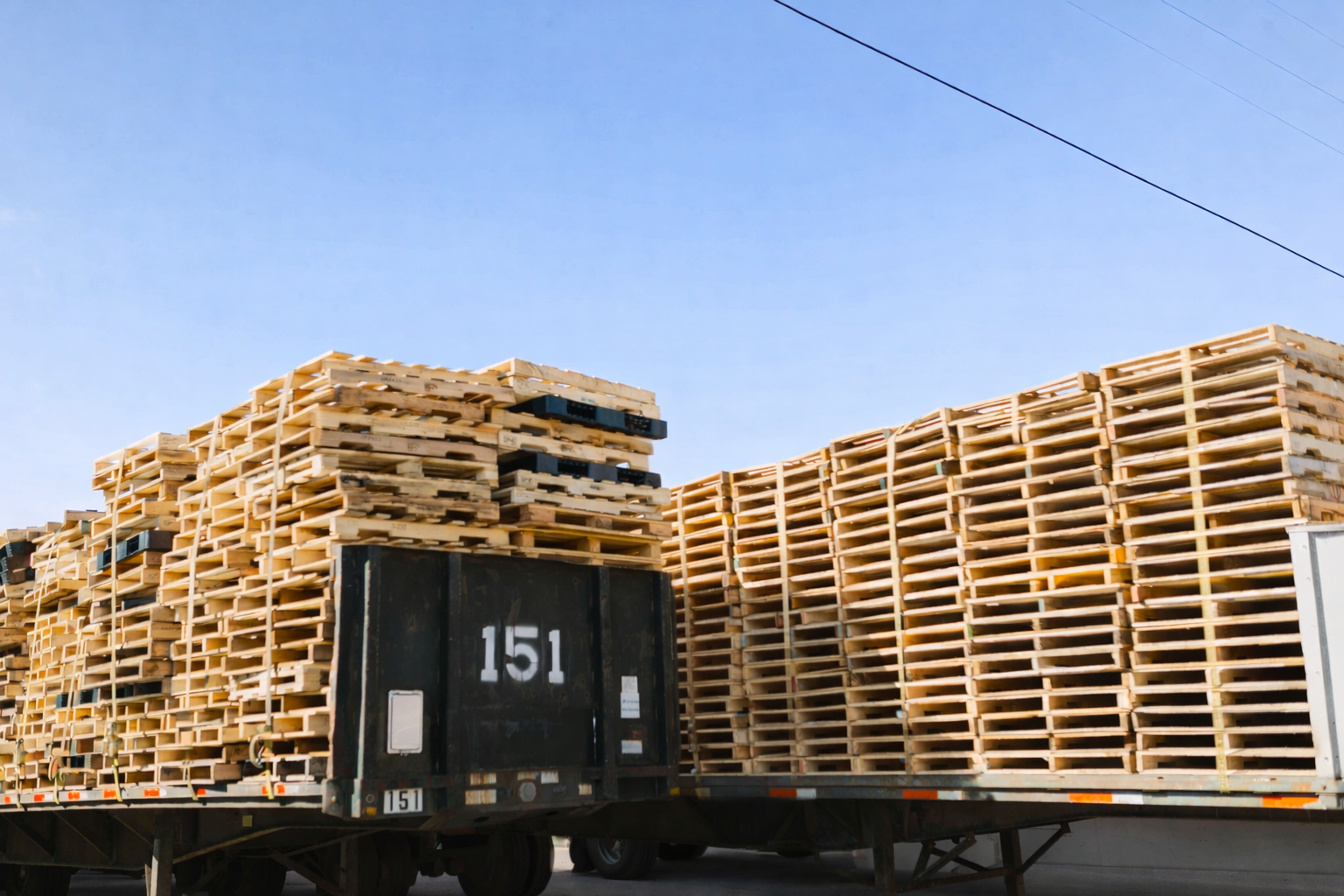
You cannot simply tell a customs agent that your pallets are treated. Every export pallet must bear a legible IPPC mark, often referred to as the HT stamp. This mark provides specific information about the origin and treatment of the wood. If the stamp is missing, blurred, or incomplete, the pallet is considered non-compliant.
- The IPPC Symbol: A graphic representing a stylized stalk of wheat.
- Country Code: A two-letter code (such as US for the United States) indicating where the wood was treated.
- Producer Code: A unique number assigned to the facility that performed the treatment.
- Treatment Code: The letters HT, indicating the wood underwent heat treatment.
- Agency Logo: The mark of the accredited inspection agency that monitors the facility.
When Do You Need Heat Treated Pallets?
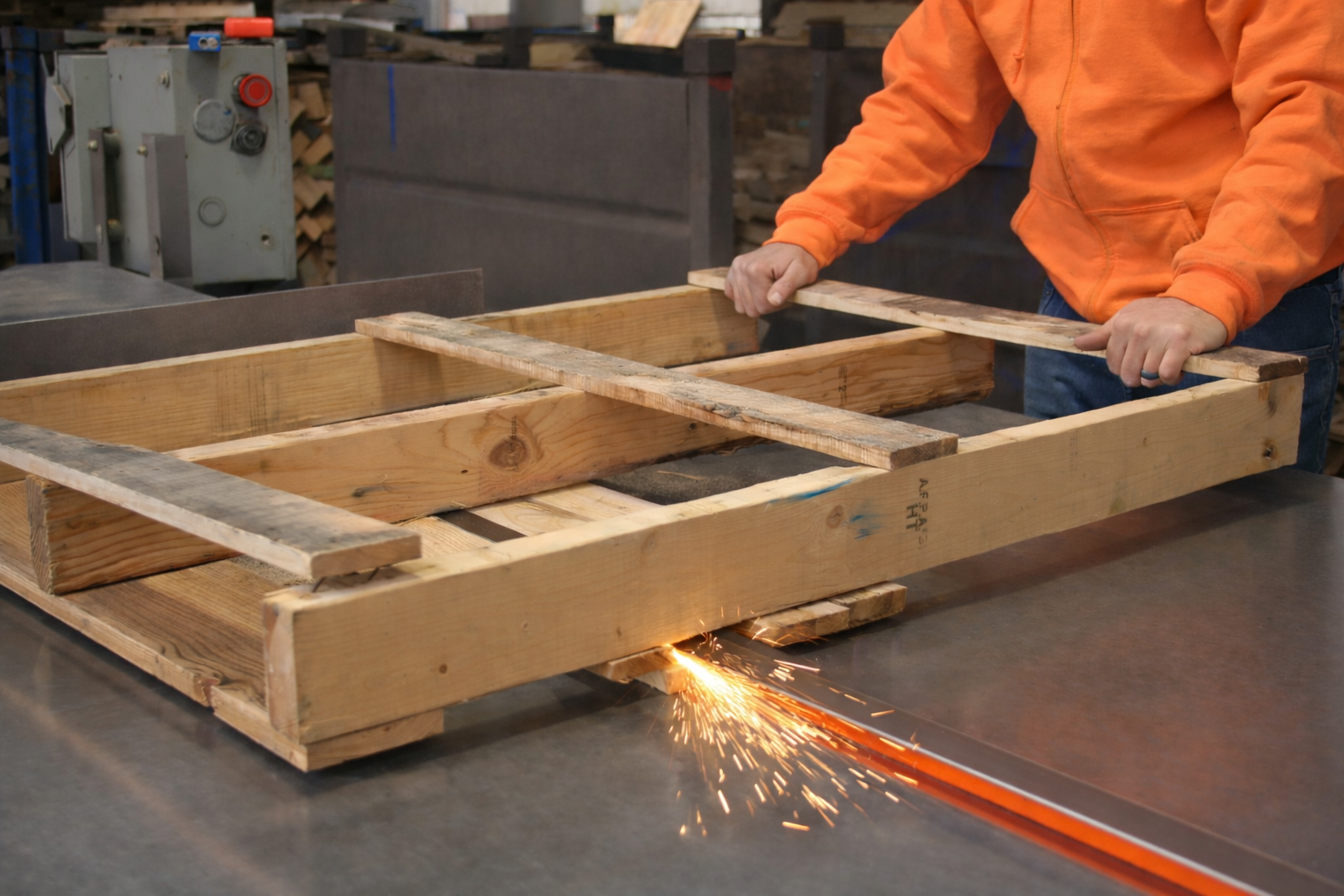
The simplest rule of thumb is that any shipment crossing an international border likely requires ISPM-15 compliant packaging. This includes shipments to major trading partners like the European Union, China, and Australia. For many years, there was an exemption for trade between the United States and Canada, but that landscape has shifted. Most professional shippers now use HT pallets for all North American cross-border trade to avoid any potential for delay.
It is important to note that not all wood products require this treatment. Manufactured wood such as plywood, particle board, and oriented strand board (OSB) are exempt because the high heat and pressure used during their manufacturing process already eliminate pests. However, for a standard 48x40 stringer or block pallet made from raw lumber, the HT stamp is a requirement for export.
Recycled and Repaired Export Pallets
Many businesses assume they must buy brand-new pallets for international shipping. This is not necessarily the case. Recycled pallets can be used for export as long as they undergo the heat treatment process and receive a new, valid stamp. At Tri County Pallet, we provide both new and recycled heat treated pallets to help businesses manage costs without sacrificing compliance.
If you are repairing an existing HT pallet, there are strict rules. If more than one-third of the components are replaced, the pallet must be retreated and restamped. Using non-treated components to repair an HT pallet effectively voids its compliance. Maintaining a clear inventory of export-ready pallets versus domestic-use pallets is a best practice for any warehouse floor.
Managing Your Pallet Inventory
Managing an export program requires a reliable partner who understands the inspection process and the documentation required. Beyond providing compliant pallets, we also manage pallet recycling pickup and scrap-wood hauling for local manufacturers. This keeps your facility clear of broken or non-compliant wood that could otherwise be confused with your export-ready stock. Wood that is no longer fit for shipping is often processed into ground mulch, ensuring that no material is wasted.
If you have questions about whether your current inventory meets international standards or if you need to source a steady supply of heat treated pallets for your next shipment, contact the team at Tri County Pallet by calling (330) 848-0313. We can help you determine the most cost-effective way to keep your international logistics on track.